
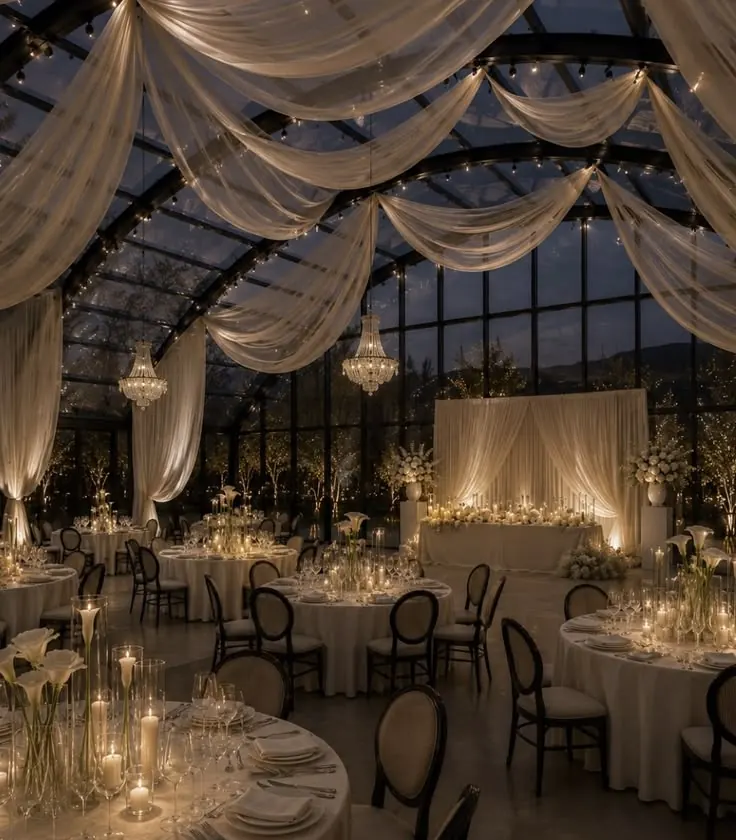
Planning a Pahadi wedding at a farmhouse in Delhi NCR? The capital has one of the largest Uttarakhandi communities outside the hills; The Patriot (November 2025) gives a rough estimate of 20–25 lakh Uttarakhandis living in Delhi-NCR, from Vinod Nagar and Burari to Sarojini Nagar, and Outlook notes a heavy Pahadi presence in trans-Yamuna seats such as Patparganj and Laxmi Nagar. Many Garhwali and Kumaoni families who once used a samaj sadan or the home courtyard now book a farmhouse for the haldi, baraat and pheras. This guide maps each ritual to a farmhouse slot and covers 2026–27 dates, a two-day plan, the Pahadi menu, cost estimates and a checklist.
Quick answer
For a Garhwali or Kumaoni wedding in Delhi NCR, keep the tilak and suwal pathai at home and book a farmhouse for two days: haldi and Ganesh puja on day one, then the baraat with dhol-damau, dhuliarghya at twilight, kanyadaan and saptapadi on day two, and vidai the next morning. Budget roughly ₹6–15 lakh for 200 guests.
Pahadi Wedding at a Farmhouse: At a Glance
| Item | What to plan for |
|---|---|
| Booking length | 2 days plus 1–2 nights for most families; 1 day if haldi stays at home |
| Functions at the farmhouse | Haldi, Ganesh puja, baraat, dhuliarghya, varmala, feast, kanyadaan, saptapadi, dahi-bataasha, vidai |
| Usually at home | Kundli and lagna, sagai, tilak, suwal pathai, griha pravesh, dooragaman |
| Dates this season | Early December 2026, then 15 January to February 2027 |
| Must-have spaces | A platform or decorated spot for dhuliarghya, a covered mandap with a safe havan spot, a sunny lawn for haldi, heated rooms for both families |
| Music | Dhol-damau and masakbeen for the baraat; amplified music off outdoors by 10 PM |
| Cost (estimate) | About ₹6–15 lakh for a 200-guest wedding day |
What Are the Rituals of a Garhwali or Kumaoni Wedding, in Order?
A Pahadi wedding runs from kundli matching and the tilak to suwal pathai and haldi, then the baraat, dhuliarghya, kanyadaan and saptapadi, and ends with the vidai. The order below draws on eSamskriti's guide to Kumaoni wedding rituals (2018) and Pernia's Uttarakhand wedding guide. The two sources differ in places, and customs vary between Garhwal and Kumaon and even between villages, so use this as a planning map and let your family priest settle the details.
| Ritual | What happens | Farmhouse slot |
|---|---|---|
| Kundli matching and lagna | Horoscopes are matched and the family priest fixes the date and time | Months earlier; home |
| Sagai / ring ceremony | Engagement and ring exchange between the families | Weeks earlier; home or a small venue |
| Tilak | Five or seven people from the groom's side visit the bride's home with shagun trays | 1–2 weeks before; home or a farmhouse lunch |
| Suwal pathai | Women make rice-flour suwal and sesame laddoos, singing songs that invite the ancestors | Days before at home, or Day 1 morning at the farmhouse |
| Haldi | Turmeric for the bride and groom in their own homes; a yellow thread is tied on | Day 1 morning on a sunny lawn |
| Ganesh puja | Puja to begin the wedding rituals | Day 1 or wedding-day morning, in the mandap |
| Baraat | Groom's procession with dhol-damau, masakbeen and, in some families, chholiya dancers | Wedding day, 6–7 PM, ending at the gate |
| Dhuliarghya | Groom welcomed at twilight on a small platform; women sing mangal geet | At the entrance or a lawn platform as the baraat arrives |
| Varmala | Garland exchange | Wedding evening, on stage |
| Feast | Dinner for the baraat and guests before the late rituals | Wedding evening, before 10 PM |
| Kanyadaan and gaduve ki dhaar | The bride is given away; water is poured over the joined hands | In the mandap at the lagna time |
| Aanchal bandhan, sindoor | The couple's clothes are tied together; sindoor and aarti | In the mandap |
| Saptapadi | Seven rounds of the fire; the bride's brother offers puffed rice | In the mandap, with heaters on |
| Dahi-bataasha | The couple share curd and sugar drops | Right after the pheras |
| Vidai | The bride leaves with the groom's family (traditionally in a doli) | Next morning, before checkout |
| Welcome at the groom's home, dooragaman | Griha pravesh rituals and the bride's first return visit | At home after the wedding |
What Is Dhuliarghya, and Where Does It Happen at a Farmhouse?
Dhuliarghya is the formal welcome of the groom by the bride's family. eSamskriti describes it at twilight, with the groom honoured on a small platform while women sing mangal geet. At a farmhouse, set a low decorated platform or chowki near the gate or at the edge of the lawn, keep it lit, and time the baraat so it arrives around sunset or soon after. In December 2026 Delhi's sunset falls at about 5:24 PM on 8 December and 5:35 PM on 31 December (Drik Panchang), so a 6–7 PM arrival keeps the welcome close to the traditional time and leaves the band and dhol inside the 10 PM limit.
How Is a Kumaoni Wedding Different From a Garhwali Wedding?
The core is the same: haldi, baraat, dhuliarghya, kanyadaan, saptapadi and vidai. The differences are mostly in songs, dress and small rituals. Kumaoni families give suwal pathai a big place, and the bride and women of the family often wear the rangwali pichhoda; eSamskriti also describes gaduve ki dhaar, where water is poured over the couple's joined hands. Pernia highlights the tehri nath, often gifted by the maternal uncle, and chholiya sword dancers with the baraat. For the venue, both need the same things: a havan-safe mandap, a welcome platform and space for a live folk band.
Samaj Sadan, Banquet or Farmhouse: Which Suits a Pahadi Wedding?
Many Delhi Pahadi weddings still happen at community halls. For example, The Wedding Company lists Garhwal Samaj Sadan in Laxmi Nagar with about 120 seated or 200 standing guests and per-plate rates from around ₹350. That is hard to beat on price. A farmhouse costs more but gives you the lawn, the overnight stay and the freedom to bring your own Pahadi cook.
| Venue | Strengths | Limits | Best for |
|---|---|---|---|
| Samaj sadan / community hall | Low per-plate rates, central East Delhi locations, familiar to the community | Small halls, few rooms, indoor only, limited décor and music hours | Budget weddings up to about 200 guests |
| Banquet hall | All-weather, in-house catering and décor | Fixed menus, little scope for a havan or Pahadi kitchen, tight time slots | Evening-only weddings |
| Farmhouse | Lawn for haldi and baraat, room for a havan, outside Pahadi caterers often allowed, rooms to stay overnight | Higher rent on peak dates, heaters and covered mandap needed in winter | Two-day weddings with family staying over |
If most of your family lives in East Delhi, Ghaziabad or Noida, farmhouses on the Noida Expressway or in Ghaziabad keep travel short; our Noida Sector 135 farmhouse guide compares that belt. South and central Delhi families usually look at Chattarpur, and families in Burari or North Delhi at the GT Karnal Road side.
When Are the Pahadi Wedding Dates in 2026–27?
Garhwali and Kumaoni families fix the date and lagna with their own priest, often from the family's home village, so general lists are only a starting point. Most Hindu calendars give two windows this winter: early December 2026, and mid-January to February 2027. Between them sits Kharmas, which Hindupad gives as about 16 December to 14 January, when weddings are usually avoided.
| Month | Listed dates | Weekend dates |
|---|---|---|
| December 2026 | 2, 3, 4, 5, 6, 11, 12 Dec | Sat 5, Sun 6, Sat 12 Dec |
| January 2027 | 15, 18, 19, 20, 24, 26, 27, 30, 31 Jan | Sun 24, Sat 30, Sun 31 Jan |
| February 2027 | 2, 3, 9, 10, 11, 14, 15, 21, 22, 25, 26, 27, 28 Feb | Sun 14, Sun 21, Sat 27, Sun 28 Feb |
These are VedicFeed's New Delhi lists for December 2026, January 2027 and February 2027. Confirm your date with your priest before you pay a farmhouse advance. Weekend dates in late January and February are where Delhi NCR farmhouses fill first, so families aiming for those should be shortlisting now.
What Does a Two-Day Pahadi Wedding at a Farmhouse Look Like?
This sample plan assumes a winter wedding with a sunset baraat and a lagna around 9–11 PM. Shift it if your priest gives a different time. eSamskriti notes that in Kumaoni custom the bride's parents traditionally fast on the wedding day, so plan a quiet room and a meal for them after the rituals.
- Day 1, 10 AM: check-in; décor team sets the haldi area and starts the mandap.
- Day 1, 11 AM–1 PM: haldi with folk songs in the sunniest part of the lawn; tie the yellow thread.
- Day 1, 1–2:30 PM: Pahadi lunch.
- Day 1, 3–5 PM: Ganesh puja and, if not done at home, a short suwal pathai session with the women of the family.
- Day 1, 6–9:45 PM: mehendi and a Pahadi music evening with dhol and family dances; amplified music ends by 10 PM.
- Day 2, morning: rest, final décor, and setting the dhuliarghya platform.
- Day 2, 6–7 PM: baraat arrives with dhol-damau and masakbeen; dhuliarghya with mangal geet at the gate.
- Day 2, 7–9:45 PM: varmala, photos and the feast; band and DJ finish before 10 PM.
- Day 2, 10 PM onwards: kanyadaan, gaduve ki dhaar, aanchal bandhan, saptapadi and dahi-bataasha in the covered mandap with heaters on.
- Day 3, 8–10 AM: breakfast, vidai and checkout.
What Food Is Served at a Pahadi Wedding?
A Pahadi menu is what most guests will remember. WeddingWire and Uttarakhand Shadi both suggest serving hill dishes alongside the usual buffet. Many Delhi NCR caterers can cook a few of these if briefed, but book a tasting, and check that the farmhouse allows an outside cook if you have a trusted Pahadi caterer from East Delhi.
- Haldi lunch: aloo ke gutke, bhatt ki churkani, gahat dal, rice and Kumaoni raita.
- Music evening: pakode, chai and a hot kafuli or phaanu counter for the cold.
- Wedding feast: a North Indian spread with a Pahadi corner: kafuli, aloo ka jhol, chainsoo and jhangora ki kheer.
- Sweets: arsa, singori and bal mithai in place of standard laddoos.
- Welcome drink: buransh (rhododendron) juice.
How Much Does a Pahadi Wedding at a Farmhouse Cost in Delhi NCR?
A 200-guest Pahadi wedding day at a Delhi NCR farmhouse often costs about ₹6–15 lakh as a rough late-2026 estimate. The figures below are our planning estimates, not quotes; your final cost depends on the date, area, guest count and menu.
| Item | Typical range (estimate) | Notes |
|---|---|---|
| Farmhouse rent (per day) | ₹1.5–5 lakh | Higher on Saturdays in December and February |
| Catering (per plate) | ₹1,100–2,300 | Pahadi counters may cost extra; haldi lunch usually cheaper |
| Mandap and décor | ₹80,000–3.5 lakh | Mandap, stage, dhuliarghya platform, flowers |
| Haldi and suwal pathai setup | ₹25,000–80,000 | Seating, marigold backdrop, a cooking corner |
| Dhol-damau, masakbeen team | ₹15,000–60,000 | Depends on team size, hours and travel |
| DJ and sound | ₹30,000–1 lakh | Must finish outdoors by 10 PM |
| Photography and video | ₹1–3 lakh | Two days of coverage |
| Priest and samagri | ₹11,000–41,000 | Both families' pujas |
| Heaters and lighting | ₹30,000–1.5 lakh | Patio heaters, warm lighting, power backup |
| Guests | Wedding day (estimate) | Add a haldi day (estimate) |
|---|---|---|
| 100 guests | ₹3.5–8 lakh | ₹1–2.5 lakh |
| 200 guests | ₹6–15 lakh | ₹1.5–4 lakh |
| 350 guests | ₹10–24 lakh | ₹2.5–6 lakh |
Not included above: outfits, the nath and other jewellery, gifts, a bar and rooms for relatives travelling from Uttarakhand. If you plan a bar at a Delhi farmhouse, the Delhi Excise notice dated 22 October 2026 sets the P-10 permit at ₹15,000 per event; Noida, Ghaziabad and Gurgaon farmhouses follow Uttar Pradesh and Haryana rules. Our farmhouse wedding cost guide breaks down per-plate and rent quotes in more detail.
Which Rules Apply to a Farmhouse Wedding in Delhi NCR This Winter?
- Music by 10 PM: India TV's April 2025 report on Delhi Police rules says loudspeakers need prior permission and outdoor use is not allowed between 10 PM and 6 AM. A sunset baraat fits this well; the mandap rituals can continue quietly afterwards.
- No firecrackers: the Supreme Court restored the firecracker ban in Delhi-NCR from 9 November 2026, so let the dhol-damau carry the baraat entry.
- Bad-air days: diesel generators, coal tandoors and open burning can be restricted under GRAP. Ask the caterer to cook on gas and the farmhouse for grid power. Our GRAP rules guide explains each stage.
- Gifts, not dowry: tilak and other gifts should be voluntary. Demanding dowry is an offence under the Dowry Prohibition Act, 1961.
What Should You Ask the Farmhouse Before Booking?
- Where can we place a lit platform for dhuliarghya near the gate?
- Is a havan fire allowed in the mandap, and is the mandap covered for a foggy night?
- Are outside caterers allowed, and is there a kitchen or cooking space for a Pahadi cook?
- Can a live dhol-damau and masakbeen team play during the baraat, and who applies for loudspeaker permission?
- How many heated rooms are there, and can both families stay overnight?
- Is there an overtime charge if the lagna runs past midnight?
- What is the checkout time after the vidai, and is breakfast included?
Pahadi Wedding Checklist for a Farmhouse
- 8–10 weeks before: fix the date and lagna with your priest; book the farmhouse.
- 6–8 weeks before: book the caterer with a tasting, a dhol-damau and masakbeen team, décor, photographer and mehendi artist.
- 4 weeks before: tilak and invitations; order the pichhoda and nath; book rooms for relatives from Uttarakhand.
- 2 weeks before: confirm the menu per function, loudspeaker permission, any bar permit and the dhuliarghya platform.
- Wedding week: suwal pathai at home; walk the site with the décor team and caterer.
- After: griha pravesh at the groom's home, then register the marriage.
Effortless Events is a Delhi NCR event planning and venue discovery company that helps families book farmhouses, villas and venues for weddings and functions such as the haldi, baraat and reception. Our baraat at a farmhouse guide helps with band timing and the route, and our winter wedding guide covers heaters and fog plans for guests driving in from the hills.