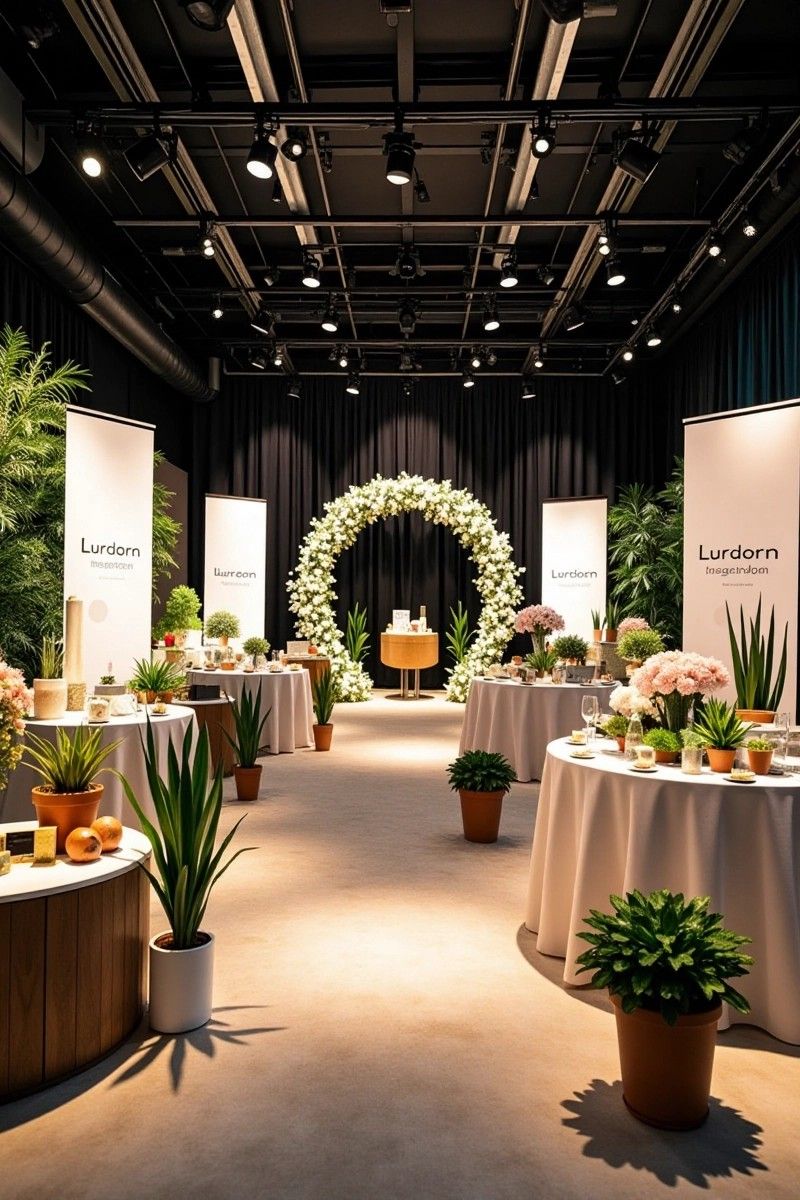
GRAP rules for weddings and parties in Delhi NCR matter again this season. On 21 October 2026 the Commission for Air Quality Management (CAQM) invoked Stage I of the Graded Response Action Plan across the NCR after Delhi's average AQI reached about 245, according to Business Today's report on GRAP Stage I. With wedding season reopening around 20 November and winter party season right behind it, this guide explains what each GRAP stage actually changes for hosts of weddings, sangeets, receptions and farmhouse parties.
Quick answer
GRAP does not ban weddings or private parties at any stage. It restricts what surrounds them: diesel generators that are not CAQM-compliant, coal and wood tandoors, bonfires and other open burning, older BS-III petrol and BS-IV diesel cars at Stage III, and truck entry at Stage IV. Hosts should lock in a compliant power plan, gas or electric cooking, heaters instead of fires and an indoor backup.
GRAP Stages and Events: At a Glance
| Stage | AQI | Rules that touch events | What hosts should do |
|---|---|---|---|
| Stage I | 201–300 (Poor) | No open burning; no coal or wood tandoors at hotels, restaurants and eateries; generator rules now start here (2026 revision); PUCC checks on vehicles | Confirm gas/electric tandoor, heaters instead of a wood bonfire, and a compliant power plan |
| Stage II | 301–400 (Very Poor) | Stage I rules continue, with extra dust-control measures such as more mechanised road cleaning and water sprinkling | Recheck generator paperwork; brief guests that outdoor time may be shortened |
| Stage III | 401–450 (Severe) | BS-III petrol and BS-IV diesel cars restricted in Delhi, Gurugram, Faridabad, Ghaziabad, Gautam Buddh Nagar and Sonipat; non-essential construction curbs | Tell guests with older cars to use cabs; keep indoor backup ready |
| Stage IV | Above 450 (Severe+) | Truck entry curbs except essential goods or CNG/electric/BS-VI; school and office measures | Get vendors to confirm vehicles and timings; move key moments under cover |
Summary based on news reports of the revised GRAP schedule approved by CAQM in September 2026 and earlier CAQM directions. Each higher stage keeps the rules of the stages below it, and CAQM can invoke a stage on a forecast before the AQI crosses the threshold. Always check the stage in force in the week of your event.
What Is GRAP and What Changed in 2026?
GRAP is the NCR's emergency plan for bad air. It has four stages tied to the AQI, and CAQM switches them on and off across Delhi, Gurugram, Faridabad, Noida, Greater Noida, Ghaziabad and the rest of the region as air quality changes. For event hosts, three points from the 2026 revision matter most:
- Generator rules start earlier. ThePrint reported that actions on diesel generator sets moved from Stage II to Stage I, so they can apply from the first poor-air day.
- Older-car curbs cover more area. Stage III restrictions on BS-III petrol and BS-IV diesel cars now also reach Sonipat and border areas of Ghaziabad, Faridabad and Gautam Buddh Nagar.
- More actions overall. A Sunday Guardian explainer counts 48 actions in the revised schedule, along with a “No PUCC, No Fuel” drive at Delhi fuel stations from 1 October 2026.
Timing matters too. Higher stages usually arrive during wedding season: Stage IV was enforced from 18 November 2024 and invoked again in January 2026. If your function falls between mid-November and January, plan as if Stage III or IV could be in force.
Are Weddings and Parties Allowed Under GRAP?
Yes, weddings and private parties are allowed at every GRAP stage. The published actions target pollution sources such as vehicles, construction dust, generators, open burning and fuel, not gatherings. In practice, GRAP changes how an event is run rather than whether it can happen:
- The power source for lights, sound and heaters may need to change.
- Live counters cannot use coal or wood.
- Bonfires, angithis and fireworks are off the table.
- Some guests may not be able to drive their own older cars.
- Vendor trucks may face entry limits, especially into Delhi.
Local authorities can add their own curbs on top. In 2023, for example, the Municipal Corporation of Gurugram told hotel, resort and banquet owners not to use wood or coal tandoors during functions under GRAP Stage IV. Ask your venue whether any district order applies.
Can You Use a Generator at a Wedding During GRAP?
You can use only a generator that meets CAQM rules, and from 2026 those rules can apply from Stage I. This is the biggest practical change for farmhouse weddings and parties, which often run lights, sound, heaters and food warmers on a hired diesel set.
Under CAQM directions, diesel generators in the NCR generally need to run in dual-fuel mode or carry certified emission-control devices, with conditions by capacity. A 2026 explainer on GRAP rules for DG sets describes sets above 51 kVA needing dual-fuel or certified emission-control devices, and smaller sets needing dual-fuel or being limited to emergency backup. When these rules were first enforced in 2023, The Tribune reported that only about 150 of over 4,000 registered sets in Gurugram had been converted, so many older gensets simply do not qualify.
What to do:
- Ask the venue about grid power first. Get the sanctioned load in kW and compare it with your sound, lighting, heater and catering load.
- If you need a generator, rent a compliant one. Ask the supplier for the set's capacity, fuel mode and retrofit or certification papers, and keep a copy on site.
- Cut the load. LED lighting, fewer electric heaters and gas-based food warmers reduce how much backup you need.
- Put it in writing. The venue or vendor, not you, should be responsible if a non-compliant set is stopped.
Is a Tandoor or Live Grill Allowed During GRAP?
Yes, if it runs on gas or electricity. GRAP lists a ban on coal and firewood in tandoors at hotels, restaurants and open eateries as a Stage I action, and in December 2025 the Delhi Pollution Control Committee ordered these establishments to switch exclusively to electric or gas tandoors.
Ask your caterer to confirm in writing that tandoors, grills, barbecue and any angithi-style warmers will use gas or electricity, not coal or wood. For menu, quantity and counter planning, see our farmhouse party catering guide for Delhi NCR.
Are Bonfires and Fireworks Allowed at Winter Functions?
Plan without either. Open burning of biomass, leaves and waste is prohibited from GRAP Stage I, so a wood bonfire or coal angithi at a winter function invites trouble. Patio heaters, electric heaters and gas fire pits give the same warm glow without smoke. Our winter bonfire party guide compares heating options and their costs.
Fireworks are a separate issue from GRAP. Delhi NCR has allowed firecrackers only in limited court-set windows, such as the green-cracker window the Supreme Court allowed around Diwali 2025. For a baraat, varmala or reception entry, use cold pyro (spark fountains), confetti, lighting effects or a dhol entry instead, and confirm the venue permits them.
How Does GRAP Affect Guests' Cars and Vendor Trucks?
GRAP and related transport rules can stop some guest cars and vendor vehicles, so check them a week before the event.
Guests' cars
At Stage III, BS-III petrol and BS-IV diesel four-wheelers are restricted in Delhi, Gurugram, Faridabad, Ghaziabad, Gautam Buddh Nagar and, from 2026, Sonipat. Some older guests may still drive these cars. Send a short note with the invite reminder: check your car's emission norm, carry a valid PUC certificate, and use a cab or the family shuttle if the car is affected. For larger weddings, a shared shuttle from a metro station or hotel cluster also solves farmhouse parking.
Vendor vehicles
Tent, décor, sound and catering vendors move equipment in commercial goods vehicles. Under a CAQM direction reported by The Tribune, non-BS-VI commercial goods vehicles registered outside Delhi are barred from entering the city, with CNG, LNG and electric vehicles exempt; a transitional exemption for BS-IV diesel vehicles ran only until 31 October 2026. At Stage IV, truck entry is curbed further. If your venue is in Delhi (Chattarpur, Mehrauli, Bijwasan or Kapashera) and your vendors are based in Gurugram, Faridabad or Noida, ask them to confirm their vehicles in writing.
Does the Construction Ban Affect Tent and Stage Set-Up?
The GRAP construction actions target construction and demolition sites, dust control and debris, and the published actions do not list temporary event set-up. Delhi's own winter plan has also been reported to include a wider construction ban from 10 December to 20 January. To stay clear of both, keep set-up to temporary structures: no digging, levelling, brickwork or cement work on the lawn, and ask the decorator to cover sand or loose materials and clean up dust the same day.
How Should You Plan an Outdoor Wedding When the AQI Is Bad?
Plan the outdoor wedding as normal, but build in an indoor or covered option and decide on the layout two days before the event. A simple plan by AQI forecast:
- AQI forecast below 200: run the outdoor plan as designed.
- 201–300: keep the event outdoors but seat elderly guests and children near the covered area, and keep masks at the welcome desk.
- 301–400: move dinner and seating under a covered or enclosed area, shorten outdoor segments, and run air purifiers in indoor rooms used by the family.
- Above 400: move the main function indoors if the venue allows, keep only short ceremonies such as the varmala outdoors, and tell guests with breathing problems in advance.
This is why the venue choice matters in winter. A farmhouse with a hall, glass-walled pavilion or rooms, or a banquet with a lawn, gives you a fallback that an open lawn alone cannot. Check this along with music timing, alcohol permits and guest limits using our farmhouse rules checklist.
GRAP Checklist: What to Confirm Before Your Event
Use this checklist one to two weeks before any wedding function or party between November and February:
| Who to ask | What to confirm |
|---|---|
| Farmhouse or venue | Grid power and sanctioned load; generator make, fuel mode and retrofit status; indoor or covered space and its capacity; heater options |
| Caterer | Tandoor and grill fuel (gas or electric only); no coal angithis at counters; chafing-dish fuel |
| Decorator and tent vendor | Vehicle emission norm and registration state; set-up timings; no civil or digging work |
| Sound, lights and DJ | Power draw in kW so the venue can confirm load; backup plan if the generator cannot run |
| Guests | Old-car advisory, cab or shuttle options, masks for elderly guests, an indoor seating plan |
Then, three to five days before the event, check the CAQM or CPCB bulletin for the GRAP stage and the AQI forecast, and send vendors and guests any changes the same day.
Plan a GRAP-Ready Event With Effortless Events
Effortless Events is a Delhi NCR event planning and venue discovery company that helps people book farmhouses, villas and venues for weddings, private parties and corporate events.
For winter functions, Effortless Events can shortlist venues with covered or indoor backup space, check power, heating and catering arrangements against current GRAP rules before you pay, and coordinate vendors if the stage changes close to your date.
Final Thoughts
GRAP will not cancel your wedding or party, but it can catch out a plan built on a diesel generator, a coal tandoor, a bonfire and an open lawn. Settle power, cooking fuel, heating, transport and an indoor fallback now, and a change in GRAP stage during the season becomes a small adjustment rather than a last-minute crisis.