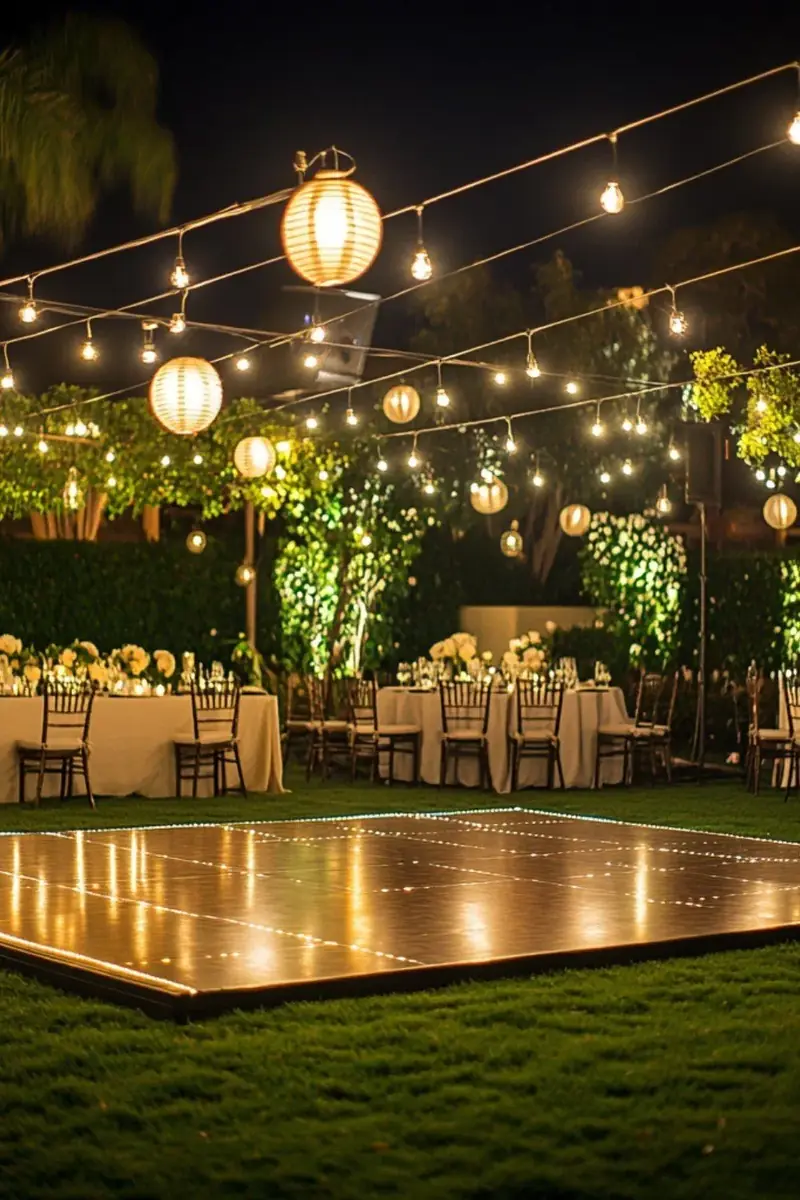
Planning a Bengali wedding at a farmhouse in Delhi NCR this winter? Families from Chittaranjan Park, Kalkaji, Noida and Gurgaon increasingly skip the community hall and take a farmhouse for the biye night, the bou bhaat reception or both. This guide covers the 2026–27 Bengali marriage dates, which functions suit a farmhouse, how to handle a late-night lagna, cost estimates, the menu and a checklist.
Quick answer
A Delhi NCR farmhouse works well for a Bengali wedding night and the bou bhaat reception. Book one of the panjika dates (2, 3, 4 or 12 December 2026, or mid-January to early March 2027), choose a farmhouse allowing an overnight stay and a yagna fire, and finish amplified music by 10 PM. Budget roughly ₹8–18 lakh for 200 guests.
Bengali Wedding at a Farmhouse: At a Glance
| Item | What to plan for |
|---|---|
| Best farmhouse functions | Biye (wedding night), bou bhaat and reception; also aiburobhat lunches and gaye holud mornings |
| Dates this season | 2, 3, 4, 12 Dec 2026; then 14 Jan–15 Mar 2027 (WedMeGood panjika lists); no dates 13 Dec–13 Jan |
| Wedding timing | Set by the lagna; often evening or late night, so plan an overnight booking |
| Must-have spaces | Covered chhadnatala (altar), a safe yagna spot, a bride's room, a room for the basar ghar |
| Rules | 10 PM loudspeaker limit, firecracker ban, liquor permit if there is a bar, GRAP curbs |
| Cost (estimate) | About ₹8–18 lakh for a 200-guest wedding night; ₹5–12 lakh for a 200-guest bou bhaat |
Which Bengali Wedding Functions Can Be Held at a Farmhouse?
All of them can, but the wedding night and the bou bhaat gain the most from a farmhouse lawn. A Bengali Hindu wedding runs over several days and is hosted by two different families, so it helps to see who hosts what. The sequence below follows the Wikipedia overview of Bengali Hindu weddings; customs vary by family, so check with your elders and purohit.
| Function | When and who hosts | Farmhouse fit |
|---|---|---|
| Aiburobhat | 1–3 days before; each family hosts its own, usually lunch | Good for 40–100 guests as a winter afternoon lunch |
| Gaye holud | Wedding morning; turmeric sent from the groom's side | Easy if the bride's family is already staying at the farmhouse |
| Biye (wedding) | Wedding night at the lagna; bride's family hosts | Best fit: lawn for dinner, covered chhadnatala for rituals |
| Basar ghar and bashi biye | Same night and next morning, at the bride's venue | Needs rooms, so book the farmhouse overnight |
| Bou bhaat and reception | 1–2 days after; groom's family hosts | Very good: an evening reception for 150–400 guests |
What happens on the wedding night?
The groom arrives with the bor jatri and is welcomed by the bride's family. The bride, seated on a low wooden pidi and hiding her face behind betel leaves, is carried around the groom by her brothers (saat paak). Then come shubho drishti (the first look), mala badal (the garland exchange), sampradan, the yagna with saptapadi and khoi porano, and finally sindoor daan. The rituals take a few hours, and guests usually eat dinner on the lawn while the family stays at the chhadnatala.
When Are the Bengali Marriage Dates in 2026–27?
Bengali families follow the panjika (almanac) rather than the generic North Indian muhurat lists. According to WedMeGood's 2026 Bengali marriage dates list and its 2027 list, the dates for this season are:
- December 2026: 2, 3, 4 and 12 December (Wed, Thu, Fri and Sat).
- January 2027: 14, 15, 18, 24, 26 and 31 January.
- February 2027: 2, 3, 9, 10, 11, 14, 15, 21, 22, 25, 26, 27 and 28 February.
- March 2027: 1, 2, 3, 4, 10, 11, 14 and 15 March, described as the last window before Chaitra, which Bengali families usually avoid for weddings.
Two things matter for booking. First, there is a gap of about a month after 12 December, roughly the Bengali month of Poush, so Saturday 12 December 2026 is likely to be the busiest farmhouse night of the winter for Bengali families. Second, the lists give no lagna times, and different panjikas can disagree, so fix the date and time with your purohit before you pay a venue advance. If the date falls on a weekday, many families hold the wedding on the date and the bou bhaat on the following weekend.
What If the Lagna Is Late at Night?
Book the farmhouse overnight and keep amplified music before 10 PM. The lagna can fall well after dinner, but a loudspeaker or DJ system normally has to stop at 10 PM, and Delhi Police has made prior permission mandatory for loudspeaker use. The rituals themselves are quiet, so a late lagna and the noise rule can live together:
- Put the band, DJ or live singer between 7 and 10 PM, around the bor jatri's arrival and dinner.
- Keep a soft shehnai track or live acoustic music after 10 PM at low volume; the conch and ulu during the rituals need no speakers.
- Get overnight use, the guest cut-off time and checkout in writing, so the basar ghar and the bashi biye next morning are not rushed.
- Arrange late cabs or drivers for older guests who leave after dinner, and rooms or a nearby hotel for close family.
Firecrackers are not an option: the Supreme Court restored the firecracker ban in Delhi-NCR from 9 November 2026. During bad-air spells GRAP curbs can also hit diesel generators and open fires; our winter wedding at a farmhouse guide covers heaters, fog and power plans in detail.
How Do You Host a Bou Bhaat at a Farmhouse?
Treat it as the groom's family's reception with one ritual moment at the start. According to the Wikipedia entry on bou bhat, it is held one or two days after the wedding, the groom's family introduces the bride to relatives, friends and neighbours, and the bride's family arrives as honoured guests (kone jatri) with gifts.
- Afternoon ritual, evening party: keep the bhaat kapor and the bride's first meal for close family in the late afternoon, then open the lawn to guests from about 7 PM.
- Welcome the kone jatri: reserve seating and a gift table near the stage for the bride's family.
- Stage for photos: most guests queue to meet the couple, so plan a stage with good light and a clear queue path.
- Mixed guest list: Delhi NCR bou bhaats often include colleagues and non-Bengali friends, so add a North Indian counter beside the Bengali menu.
For stage, lighting and timing ideas, see our guide to a wedding reception at a farmhouse.
How Much Does a Bengali Wedding at a Farmhouse Cost in Delhi NCR?
A 200-guest Bengali wedding night at a Delhi NCR farmhouse typically costs about ₹8–18 lakh before jewellery and clothes. The figures below are planning estimates for late 2026, not quotes; prices move with date, area and how many dishes you choose. For reference, one Delhi caterer that lists a Bengali menu on WedMeGood shows a starting price of ₹500 per plate for at least 150 guests (November 2026); a full wedding spread with fish and mutton costs considerably more.
| Line item | Typical range (estimate) |
|---|---|
| Farmhouse, evening plus overnight | ₹1.5–6 lakh, by area, date and size |
| Bengali catering | ₹1,200–₹2,500 per plate for a full wedding menu |
| Chhadnatala, mandap and lawn décor | ₹1–4 lakh |
| Purohit, samagri and ritual items | ₹15,000–₹50,000 |
| Music (shehnai, singer or DJ till 10 PM) | ₹40,000–₹2 lakh |
| Photography and video | ₹1–3 lakh |
| Heaters, lighting and power backup | ₹40,000–₹1.5 lakh |
| Guests | Wedding night (estimate) | Bou bhaat reception (estimate) |
|---|---|---|
| 100 | ₹5–10 lakh | ₹3–7 lakh |
| 200 | ₹8–18 lakh | ₹5–12 lakh |
| 350 | ₹13–28 lakh | ₹9–20 lakh |
A bar adds cost and paperwork. A Delhi Excise notice dated 22 October 2026 sets a P-10 permit of ₹15,000 per event for farmhouses serving liquor in Delhi; Gurgaon and Noida farmhouses follow Haryana and UP permits. For a wider breakdown, see our farmhouse wedding cost guide.
What Should Be on a Bengali Wedding Menu?
A Bengali wedding menu is served in courses, from bitter and light to rich and sweet, and the fish course is the one guests remember. Ask caterers whether they have Bengali cooks, not just a "Bengali dishes" line on the menu, and arrange a tasting.
- Start: fish fry or fish kabiraji, vegetable chop, phuchka counter.
- Mains: luchi or radhaballavi with cholar dal, basanti pulao, shukto, bhetki paturi, chingri malaikari, kosha mangsho.
- Finish: chutney, papor, mishti doi, rosogolla, sandesh, paan.
- Veg guests: chhanar dalna, dhokar dalna and paneer dishes so they get a full meal.
Many Delhi families still order sweets from Chittaranjan Park and have them delivered on the day; agree with the caterer on outside sweets before you sign.
What Should You Check Before Booking the Farmhouse?
Check ritual space, overnight use and travel time first; décor can be fixed later. Families based in south Delhi often look at Chattarpur farmhouses because they are close to CR Park and Kalkaji, while Noida families look along the Expressway and Gurgaon families towards Sohna Road and Gwal Pahari.
- A covered or tented chhadnatala that stays warm and dry for a late lagna.
- Written permission for the yagna fire, with sand, water and an extinguisher nearby.
- Overnight stay, number of rooms, and a quiet room for the basar ghar.
- A bride's room close to the altar for changes between rituals.
- Heaters and a power plan that works under GRAP curbs.
- Outside caterer and outside sweets policy, and any kitchen charge.
- Parking and a drop-off point for the bor jatri, plus the 10 PM sound limit in writing.
- Liquor permit status if you plan a bar.
Sample Wedding-Night Plan at a Farmhouse
This example assumes a lagna around 10:30 PM on a December night; shift it to match your own time.
- Morning: gaye holud at the farmhouse; décor team sets the chhadnatala.
- 5:00 PM: heaters on, lights tested, purohit arrives to set up.
- 7:00 PM: bor jatri arrives; welcome and music.
- 7:30–9:45 PM: dinner service and amplified music.
- 10:00 PM: speakers off; family moves to the chhadnatala.
- 10:30 PM onwards: saat paak, shubho drishti, mala badal, sampradan, yagna and sindoor daan.
- After the rituals: basar ghar indoors; bashi biye and bidaai the next morning.
Who Can Help Plan a Bengali Wedding at a Farmhouse?
Effortless Events is a Delhi NCR event planning and venue discovery company that helps families book farmhouses, villas and venues for weddings, receptions and family functions, and coordinate catering, décor and logistics. For pre-wedding mornings and lunches, our haldi and mehendi at a farmhouse guide has setup ideas that work for a gaye holud too.
A Hindu wedding in Delhi should also be registered with the Revenue Department after the ceremony. This is general information, not legal advice.
Bengali Wedding Checklist for a Farmhouse
- 10–12 weeks out: fix date and lagna with the purohit; decide which functions go to the farmhouse.
- 8–10 weeks out: visit farmhouses at night; book venue, caterer with Bengali cooks, décor and photographer.
- 6–8 weeks out: print invitations; book the shehnai or singer; list tattwa and ritual items.
- 4–6 weeks out: menu tasting; liquor permit if needed; confirm heaters, power and the 10 PM limit in writing.
- 2 weeks out: share the run-of-show and lagna time with every vendor; book cabs and rooms for family.
- Wedding week: collect sweets and ritual items; check the yagna spot and fire safety on site.
- After: host the bou bhaat, then register the marriage.
Effortless Events can shortlist farmhouses that allow overnight weddings and a yagna fire, and plan the evening around your lagna.